
The Himalayas are among the most beautiful mountain regions in the world. With snow-covered peaks, green valleys, beautiful forests, and peaceful mountain villages, they attract thousands of trekking enthusiasts every year. From beginners to experienced adventurers, everyone dreams of exploring these magnificent mountains. However, trekking in the Himalayas requires proper planning, physical preparation, and awareness of mountain safety.
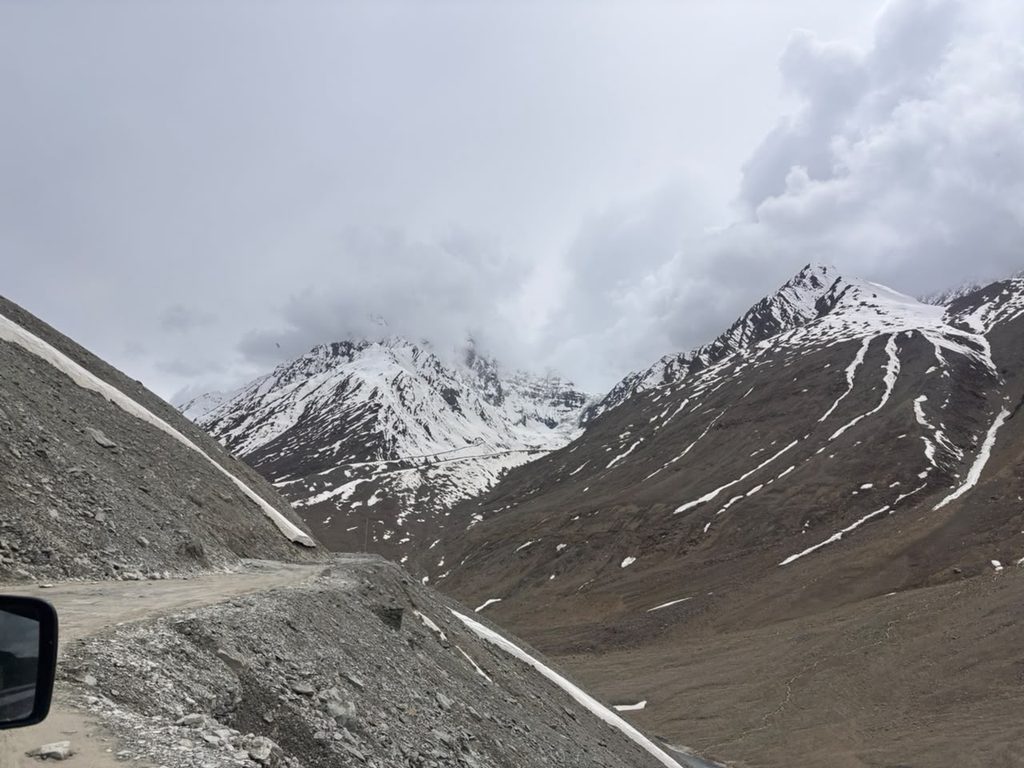
Understanding Himalayan trekking rules is essential before starting any mountain adventure. These rules help trekkers stay safe, respect local communities, and protect the natural environment. Weather conditions can change quickly, trails can be challenging, and high altitudes can affect the human body. Therefore, every trekker should understand the basic guidelines before leaving for the mountains.
In this guide, we will explore the most important trekking rules, practical safety advice, and useful tips to help you enjoy a responsible and memorable Himalayan adventure.
Why Are Trekking Rules in the Himalayas Important?
The Himalayas have diverse landscapes, ranging from forest trails to rocky mountain paths and high-altitude regions. Although these destinations offer incredible experiences, they also present challenges such as cold temperatures, sudden rainfall, steep slopes, and altitude-related illnesses.
Following trekking rules in the Himalayas helps reduce avoidable risks and encourages responsible tourism. Proper preparation allows trekkers to make better decisions, carry appropriate equipment, and respond calmly to unexpected situations.
These rules are also important for environmental protection. Himalayan ecosystems support rare wildlife, forests, rivers, and local communities. Responsible trekking helps preserve these natural and cultural resources for future generations.
10 Essential Himalayan Trekking Rules
1. Check Weather Conditions Before Starting
Weather conditions in the mountains can change within a short period. Clear skies in the morning may be followed by rain, strong winds, or snowfall later in the day.
Before starting your trek, check the latest weather forecast and local trail updates. Carry waterproof clothing, warm layers, and suitable footwear. If authorities or your trekking guide advise against travelling because of dangerous conditions, postpone your journey.
Planning around the weather helps you avoid unnecessary risks and enjoy a more comfortable trekking experience.
2. Choose a Trek According to Your Fitness Level
Not every Himalayan trail is suitable for beginners. Some routes involve long walking hours, steep climbs, rocky terrain, and high elevations.
Research the distance, altitude, difficulty level, and expected duration before selecting a route. Beginners should start with easier treks and gradually build their endurance.
Regular walking, stair climbing, and light cardiovascular exercise can help improve fitness before your trip. Choose a route that matches your experience instead of selecting a difficult trek simply because it is popular.
3. Carry Essential Trekking Equipment
Carrying the right equipment is one of the most important Himalayan trekking rules. Your backpack should contain everything necessary for safety, comfort, and changing weather conditions.
Essential items include:
- Comfortable trekking shoes with good grip
- Warm clothing and a waterproof jacket
- First-aid kit and personal medicines
- Reusable water bottle and safe drinking water
- Energy snacks and nutritious food
- Headlamp or flashlight
- Sunscreen, sunglasses, and a hat
- Navigation tools and a fully charged phone
- Emergency contact information
Your packing list should depend on the season, route, altitude, and length of your trek. Avoid carrying unnecessary items because a heavy backpack can make walking more difficult.
4. Follow Your Trek Guide and Stay on Marked Trails
If you are trekking with a guide or organized group, follow their instructions carefully. Experienced guides can help you understand the route, local conditions, and potential hazards.
Always stay on designated trails and avoid shortcuts through unknown areas. Leaving marked paths can increase the risk of getting lost, slipping on unstable ground, or disturbing sensitive vegetation.
If you need to stop or leave the group temporarily, inform your guide or trekking companions. Keeping everyone informed makes it easier to respond to emergencies.
5. Understand High-Altitude Sickness
Altitude sickness is a serious concern during high-altitude trekking. As elevation increases, the amount of oxygen available with each breath decreases, and the body needs time to adjust.
Common symptoms can include headaches, nausea, dizziness, unusual tiredness, and loss of appetite. Ascend gradually and allow sufficient time for acclimatization.
Never ignore symptoms or continue climbing when you feel unwell. Severe symptoms, such as difficulty walking straight, confusion, or breathlessness at rest, require urgent medical attention and descent with appropriate assistance.
Learning about altitude-related risks before your trip can help you recognize warning signs early.
6. Stay Hydrated and Eat Properly
Walking for several hours can cause fatigue and dehydration, especially at higher elevations. Drink water regularly and carry enough supplies for your planned route.
Eat balanced meals and carry suitable snacks such as nuts, dried fruit, or energy bars. Avoid relying only on sugary snacks because your body needs sufficient energy throughout the trek.
Plan water refills in advance and use safe drinking water. In cold weather, remember to drink regularly even when you do not feel very thirsty.
7. Respect Local Culture and Traditions
The Himalayas are home to diverse communities with unique languages, customs, traditions, and religious practices. Local people have a deep connection with their environment and mountain heritage.
Respect local customs and follow instructions at temples, monasteries, villages, and other religious places. Ask permission before photographing people, and avoid disturbing community activities.
Buying local products, hiring local guides, and using responsible local services can also support mountain communities and encourage sustainable tourism.
8. Avoid Littering and Reduce Plastic Waste
Mountain ecosystems are sensitive, and waste can remain in the environment for a long time. Plastic bottles, food wrappers, and other rubbish can damage habitats and pollute water sources.
Carry a reusable water bottle and keep your waste in a bag until you find an appropriate disposal facility. Avoid leaving food waste on trails and follow local waste-management rules.
Responsible trekkers follow the principle of leaving the trail as clean as, or cleaner than, they found it.
9. Protect Himalayan Wildlife and Plants
The Himalayan region supports many species of wildlife and plant life. Trekking activities should not disturb these natural habitats.
Observe animals from a safe distance, never feed wildlife, and avoid making unnecessary noise. Do not pick wildflowers, damage trees, or remove natural objects from protected areas.
Follow local conservation guidelines and respect restrictions in national parks and wildlife sanctuaries. Protecting biodiversity helps maintain the ecological balance of the mountains.
10. Follow Permits and Local Regulations
Some Himalayan trekking routes require permits, registrations, authorized guides, or other permissions. Requirements may vary according to the destination, protected area, and current government regulations.
Before travelling, check the latest information from the relevant authorities or official tourism websites. Carry the necessary documents and follow rules regarding camping, fires, waste disposal, and restricted areas.
Planning these requirements in advance can prevent unnecessary delays and help you complete your trek responsibly.
Himalayan Trekking Tips for Beginners
First-time trekkers can make their journey easier by following a few practical Himalayan trekking tips.
Start preparing early: Begin regular walking and suitable fitness exercises several weeks before your trek. Increase your activity gradually.
Wear appropriate clothing: Use layers that can be added or removed as temperatures change. Carry waterproof protection for unexpected rain.
Keep your backpack organized: Pack essential items where they are easy to access. Keep important documents, a phone, and emergency supplies protected from moisture.
Maintain a comfortable pace: Avoid rushing uphill. Take regular breaks and listen to your body throughout the journey.
Check your equipment: Test your shoes, flashlight, and other essential items before departure.
Inform someone about your plan: Share your route, expected return time, and emergency contact details with a trusted person.
Respect your limits: If the weather deteriorates or your health becomes a concern, follow professional advice and change your plans when necessary.
These simple habits can improve comfort, reduce avoidable problems, and make your first Himalayan trekking experience more enjoyable.
What Is the Best Time for Himalayan Trekking?
The best time depends on the particular region, trekking route, altitude, and seasonal conditions. Spring and autumn are popular trekking seasons for many Himalayan destinations because conditions can be favorable on suitable routes.
However, some routes may experience heavy rain, snow, extreme cold, or temporary closures depending on the season. High-altitude trails can remain dangerous even during otherwise popular trekking months.
Always check current weather forecasts, route conditions, and local travel advisories before departure. Choose your trekking dates based on reliable local information rather than relying only on general seasonal recommendations.
Frequently Asked Questions About Himalayan Trekking
What are the most important Himalayan trekking rules?
The most important rules include checking weather conditions, choosing a suitable route, carrying essential equipment, following marked trails, respecting local regulations, and protecting the environment.
Is Himalayan trekking safe for beginners?
Many Himalayan treks are suitable for beginners when they choose an appropriate route, prepare physically, carry essential equipment, and follow reliable safety guidance. Conditions can change, so careful planning remains important.
What should I pack for a Himalayan trek?
Carry suitable trekking shoes, warm and waterproof clothing, a first-aid kit, safe drinking water, food, navigation equipment, a flashlight, and emergency supplies appropriate for your route.
How can I protect the Himalayan environment while trekking?
Avoid littering, reduce plastic waste, stay on designated trails, respect wildlife, and follow local conservation guidelines. Supporting responsible tourism businesses can also benefit local communities.
Conclusion
The Himalayas offer unforgettable adventures, beautiful landscapes, and opportunities to connect with nature. However, every trekker has a responsibility to travel safely and protect the mountains.
By following Himalayan trekking rules, understanding trekking rules in the Himalayas, and applying practical Himalayan trekking tips, you can prepare for a more responsible and enjoyable journey.
Check the weather, select the right route, carry essential equipment, respect local traditions, and leave no waste behind. Whether you are planning your first trek or exploring a challenging mountain trail, preparation and responsible decisions should always come first.
Visit Himalayanman.com for more trekking guides, Himalayan culture, travel information, and stories about the people and wildlife of the Himalayas.